Best Gear
Best Bottle Cappers
For most home brewers bottling a full batch at once, the FastRack Colt Strong Bench Bottle Capper at $65.36 is the best choice because mounting the bottle in a fixed base produces a more even crimp across dozens of bottles than a hand lever does.
Brewers who only bottle a few bottles at a time, or who want to skip capping altogether, should consider a hand lever capper or reusable swing-top bottles instead.
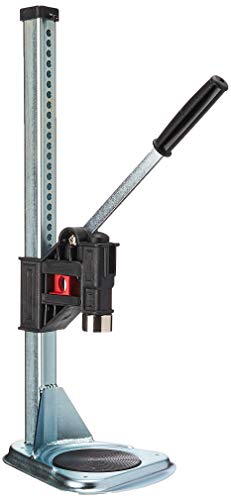
FastRack Colt Strong Bench Bottle Capper
FastRack
Mounting each bottle in a fixed base instead of holding it by hand produces a more consistent crimp across a full batch, which matters more the more bottles are being filled in one session.
Price last checked at publication and changes often.
What decides this purchase: batch size and how often you bottle
A bottle capper's only job is to press a crown cap's skirt down evenly around the lip of the bottle until it seals. Every capper on this list does that. What changes between them is how the bottle is held steady while that happens, and holding it steady is what actually determines how consistent the seal is across an entire batch.
A hand-held lever capper works by squeezing two levers together over a bottle held by the other hand. It costs little and works fine, but every bottle depends on how squarely you hold it, and that gets tiring and less consistent somewhere around bottle thirty of a full batch. A bench-mounted capper clamps to a table or stand and holds the bottle in a fixed base, so the crimp comes out the same on bottle one and bottle fifty.
Hand-held versus bench-mounted
The North Mountain Hammer Bottle Capper works by striking a plunger with a mallet rather than squeezing a lever, which some brewers find faster once the technique clicks, but it takes more practice to get a square, even crimp than a lever capper does. The Red Baron lever capper is the more forgiving choice for a first bottling session.
Both bench-mounted options here, the Ferrari Super Agata and the FastRack Colt Strong, clamp to a table edge or mount to a small stand and hold the bottle underneath a lever arm. Bottling a full five gallon batch goes faster and more evenly with a bench-mounted capper simply because the operator is not also stabilizing the bottle by hand.
The gap between the two styles widens as the batch gets bigger. Across a handful of bottles, a hand lever capper and a bench-mounted capper feel about the same, since fatigue and consistency have not had time to become a factor yet. Across a full batch of four or five dozen bottles, a hand lever capper asks the same hand to squeeze and steady a bottle repeatedly for the entire session, and both grip strength and steadiness tend to fade well before the last few bottles are capped, which is exactly where an inconsistent crimp is most likely to show up.
- Occasional small batches: a hand lever capper is enough.
- Full batches on a regular schedule: a bench-mounted capper pays for itself in consistency.
- Bulk bottling for competitions or gifting: a heavy duty bench capper handles the volume without wearing out.
Do you even need a capper? Swing-top bottles as an alternative
Swing-top bottles use a hinged wire bail and a rubber gasket instead of a crown cap, and they reseal by hand with no capper involved at all. They cost more per bottle than standard amber bottles with new caps, but the gasket is reusable across many fills, and there is no cap inventory to keep buying. For someone who bottles small batches often, or who dislikes the capping step itself, swapping to swing-top bottles is a legitimate way to skip this purchase entirely rather than buy a better capper.
The tradeoff is that a worn or dirty gasket can leak or let in oxygen just as an improperly seated crown cap can, so a swing-top bottle still needs its seal checked before and after filling. Gaskets also wear out eventually and need replacing on their own schedule, a small ongoing cost that a crown-capped bottle simply does not have.
A properly crimped cap, checked
A correctly capped bottle has a skirt that curls evenly around the entire lip with no visible gap or uneven flare on one side. An uneven crimp, most often from holding the bottle at a slight angle under a hand lever, is the most common cause of a slow leak that shows up days or weeks later as a sticky bottle and a beer that has gone flat.
A properly seated cap sits flush against the glass and does not spin, rock, or shift at all when pressed gently from the side. Run a finger around the skirt after capping and check that it curls under evenly at every point; a spot where the skirt stands away from the glass, even slightly, is the spot a slow leak will start from. This check takes only a few seconds per bottle and catches a bad crimp long before the bottle ever goes into a case.
Crown caps are single use. A cap that has already been crimped once will not reseal properly a second time even if it looks undamaged, so reusing old caps to save a few dollars is a reliable way to end up with slow leaks across an entire batch. Buy a fresh bag of caps every bottling session rather than trying to stretch a partial bag from a previous batch, since a mismatched or partially used bag is an easy thing to run short on mid-session.
Setting up an efficient bottling day
Bottling a full batch goes faster with the workflow set up before the first bottle is filled: sanitized bottles staged upside down to drain, priming sugar already dissolved and mixed into the bottling bucket, and the capper and a full bag of new caps within easy reach of the filling station rather than across the room. A bench-mounted capper clamped near the filler means each bottle moves from filler to capper to case in one continuous motion instead of being carried back and forth.
Capping every bottle as it is filled, rather than filling a whole batch first and capping afterward, keeps beer from sitting exposed to air any longer than necessary and reduces the chance of losing track of which bottles have already been capped.
Cap liners and cap sizing
Standard crown caps are sized for the standard bottle neck used on the amber bottles in this catalog, and a cap sized for a different bottle neck, such as a champagne-style bottle with a different lip diameter, will not seal properly no matter how good the capper is. Confirm bottle and cap sizing match before buying either separately.
Oxygen-absorbing cap liners react with the small amount of headspace oxygen left in a filled bottle, pulling it out of the beer over the following days. They cost a small amount more than standard caps and are a genuine improvement for beer that will be stored for a while before drinking, though they make little practical difference for a beer that gets consumed within a few weeks of bottling.
Cleaning and storing a bottle capper
A capper only touches the outside of the cap and the outside of the bottle neck, not the beer itself, so it does not need the same sanitizing routine as a hydrometer or an auto-siphon. A wipe-down after use to remove sticky spilled beer or priming sugar residue is enough, along with an occasional check that the crimping jaws or plunger have not picked up rust from being stored somewhere damp.
A bench-mounted capper's clamp mechanism can loosen over repeated use, and checking that it is still gripping the table or stand firmly before a bottling session avoids an uneven crimp partway through a batch from a capper that has started to shift. Storing it somewhere dry between bottling sessions, rather than in a damp basement or garage, keeps the metal jaws from developing rust that would otherwise transfer onto bottle caps and bottle necks.
How we chose
These picks come from published capper specifications and mechanism types, along with verified owner reviews describing crimp consistency, build durability, and ease of use across repeated batches. This is not the result of personal hands-on bottling with these specific units. Reviews that consistently described a loose or wobbling base were weighed against otherwise favorable price and mechanism.
How the options compare
| Product | Mechanism | Mount | Price | Best for |
|---|---|---|---|---|
| North Mountain Heavy Duty Bench Capper | Bench lever | Clamps to table | $99.99 | High volume, frequent bottling |
| FastRack Colt Strong | Bench lever | Clamps to table | $65.36 | Most home brewers |
| Ferrari Super Agata | Bench lever | Clamps to table | $52.29 | Budget bench option |
| FastRack Red Baron | Hand lever | Handheld | $16.48 | Occasional or small batches |
| North Mountain Hammer Capper | Mallet strike | Handheld | $11.51 | Lowest cost, more practice needed |
The three tiers
These are three genuinely different builds, not the same product at three prices. Buy the tier that matches how much you already know you will use it.
FastRack Red Baron Bottle Capper
FastRack
At $16.48 it is a simple hand lever capper that is easy to learn on, a sensible choice for a first bottling session or for someone who only bottles a handful of bottles at a time.
$16.48
View on AmazonFerrari Super Agata Bench Capper
FastRack
At $52.29 it is a bench-mounted capper priced below the Colt Strong, a solid mid-range option once a stable base matters more than hand-lever portability, at some tradeoff in overall build heft.
$52.29
View on AmazonNorth Mountain Heavy Duty Bench Bottle Capper
North Mountain Supply
At $99.99 it is built heavier for frequent, high volume bottling sessions, competition entries, or gifting large batches. Someone bottling one or two batches a year does not need this much capper; a $65 bench model or even a hand lever will finish the job just as well for far less money and counter space.
$99.99
View on AmazonEverything else worth considering

North Mountain Hammer Bottle Capper
Simple hammer-style capper, slow but nearly indestructible.

AOZITA 16 oz Swing Top Bottles (8 pack)
Flip top bottles that need no capper at all, though they must be checked for a sound gasket before every use.

YEBODA 16 oz Amber Swing Top Bottles (6 pack)
Amber flip top bottles, which combine no-capper convenience with light protection.
Before you do this
Bottle bombs come from over-priming or from bottling before fermentation has actually finished, not from the capper itself. Measure priming sugar with a calculator rather than a rule of thumb, and confirm gravity has held steady across several days before capping a single bottle.
Related on BrewGearCalc
Frequently asked questions
- Do I need a bench capper or is a hand capper good enough?
- A hand lever capper works fine for occasional or small batches, but holding each bottle steady by hand gets less consistent over a long bottling session. A bench-mounted capper clamps the bottle in a fixed base, which produces a more even crimp across a full batch and is easier on the hands. If you bottle full five gallon batches regularly, a bench capper is worth the extra cost.
- How can I tell if a bottle cap is properly sealed?
- Check that the skirt curls evenly all the way around the bottle's lip with no visible gap or flare on one side. An uneven crimp is the most common cause of a slow leak that does not show up right away, sometimes not until the beer has already gone flat weeks later. Give bottles a squeeze test a day or two after capping; a properly sealed cap will not move at all.
- Can I reuse bottle caps?
- No. A crown cap deforms permanently when it is crimped, and a cap that has already been used will not reseal properly a second time even if it looks undamaged. Always use new caps for every batch. They are inexpensive enough that reusing old ones to save a few dollars is not worth the risk of slow leaks and oxidized or flat beer across an entire batch.
- Do swing-top bottles need a capper?
- No. Swing-top bottles reseal with a hinged wire bail and a rubber gasket by hand, with no capper involved at all. The gasket is reusable across many fills, which is the main appeal over buying new caps every batch. The tradeoff is that a worn or dirty gasket can leak just as an improperly crimped crown cap can, so the seal still needs to be checked before and after filling.
- How many bottles do I need for a 5 gallon batch?
- Five gallons is 640 fluid ounces, and dividing that across 12 ounce bottles works out to a little over 53 bottles before any losses. In practice, trub left behind, hydrometer samples, and headspace bring that down, so most brewers plan on filling around 48 to 50 bottles from a full 5 gallon batch, which is why bottle packs are commonly sold in counts like 24, 48, and 96.
- Why did my capped bottle leak after a few weeks?
- The most likely cause is an uneven crimp, usually from the bottle being held at a slight angle under a hand lever capper. It can also come from a reused cap that no longer seals properly, or from a chipped bottle lip that never let the cap seat flat. Check the crimp visually right after capping; an uneven skirt is easy to spot before the bottle ever leaves the counter.
Researched from published brewing formulas, manufacturer specifications and verified owner reviews. This is general guidance, not professional advice.