Compare
Kegging vs Bottling
Bottling costs far less upfront, needs no fridge or CO2 system, and suits anyone brewing occasionally or giving beer away in bottles; a full bottling setup around a FastRack Red Baron Bottle Capper at $16.48 packages a five gallon batch for well under $100 total.
Kegging replaces roughly two hours of bottling with about fifteen minutes of transfer once the system is set up, which is the real reason frequent brewers eventually switch despite the several hundred dollars it costs to buy a keg, CO2 and a way to keep it cold.
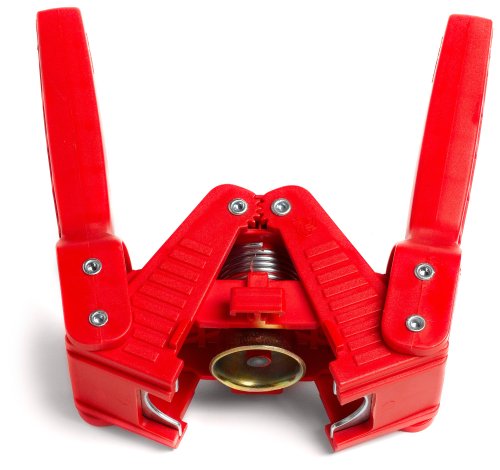
FastRack Red Baron Bottle Capper
FastRack
It is the lowest cost way to fully package a batch, and for anyone brewing a handful of times a year, the time kegging saves per batch never adds up to enough to justify the upfront cost.
Price last checked at publication and changes often.
The actual tradeoff: upfront cost versus time per batch
Bottling and kegging both get finished beer into a container you can carbonate, store and serve. The difference is where the cost and the time land. Bottling costs little upfront, a capper, some bottles and a filler typically add up to under $100, but every single batch then takes roughly two hours of cleaning, filling, capping and labeling bottles. Kegging flips that: a corny keg, a CO2 tank, a regulator and a way to keep the keg cold cost several hundred dollars to set up, but transferring a finished batch into a keg takes about fifteen minutes.
Neither method changes the beer inside; both fully carbonate and preserve a finished batch. The right choice comes down to how many batches you brew and how much you value your time on packaging day, not how good the beer turns out.
What a full bottling setup actually costs
A basic bottling day needs a capper, bottles, caps, a bottling wand or spring filler, and a way to prime the beer with sugar. The FastRack Red Baron Bottle Capper at $16.48 or the North Mountain Hammer Bottle Capper at $11.51 both cap standard bottles by hand. Bottles themselves run from the North Mountain 12 oz Amber Bottles with Caps 24 pack at $23.99 up to the FastRack Amber Beer Bottles 96 pack at $81.99 for someone bottling several batches ahead. A bottling wand like the Fermtech ProFiller at $11.90 rounds out the basics.
The tradeoff shows up every time you package a batch: bottling means washing and sanitising every bottle, priming the batch, filling and capping each one individually, then storing 48 or more glass bottles somewhere. It is genuinely more physical work per batch than kegging, spread across roughly two hours.
What a full kegging setup actually costs
The minimum kegging path is a corny keg, a CO2 tank, a regulator, gas and beer line, and a way to dispense, even if that way is just a picnic tap rather than a kegerator. A single ball lock corny keg like the Hilangsan 5 Gallon Cornelius Keg at $115.90, a CO2 tank such as the VEVOR 5 lb Aluminum CO2 Tank at $69.90 and a regulator like the Ferroday Dual Gauge CO2 Regulator at $40.59 get a batch into a keg and carbonated without a fridge at all, if you are willing to serve at whatever temperature the keg sits at.
A full kegerator setup, a fridge with a tap tower built in, like the VEVOR Single Tap Kegerator at $509.90, adds cold, on-demand serving to the same system. Either way, once the hardware is bought, transferring a finished batch takes about fifteen minutes: connect the transfer line, push the beer across, and hook up the gas.
When bottling is genuinely the better choice, not just the cheaper one
Bottling wins outright, not just on price, when beer needs to travel: to a competition, to a friend's house, as a gift. A keg is not portable in any practical sense without a whole separate system for filling smaller containers. Bottling also lets you bottle condition beer with live yeast for extra carbonation character, which some styles genuinely benefit from. Anyone brewing a handful of batches a year, or brewing mainly to share bottles, is well served by bottling and gains little from the upfront cost of kegging.
The time trade, made concrete
Break down what two hours of bottling day actually involves: washing and rinsing 48 or more bottles, sanitising them, mixing and adding priming sugar to the bulk beer, siphoning into a bottling bucket, filling each bottle to a consistent level with a wand or spring filler, capping each one, and finally moving 48 individual bottles somewhere to carbonate for a couple of weeks. Every one of those steps scales with the number of bottles, so a bigger batch simply means more repetitions of the same physical motions.
A keg transfer does not scale the same way. Whether you are moving five gallons or a somewhat larger batch, connecting a transfer line, pushing the beer across under CO2 pressure, and hooking up the gas line afterward takes roughly the same fifteen minutes regardless of exact volume. That difference, work that scales with bottle count versus work that does not scale with volume at all, is the real engine behind kegging's time savings, not just a general sense that kegging is more modern.
Bottles travel, kegs mostly do not
A case of bottled beer fits in a car trunk, a cooler, or checked luggage, and can be handed individually to friends, entered in a competition, or left as a gift, all without any special equipment on the receiving end. A keg requires a tap, a CO2 source and usually a way to keep it cold to serve properly; showing up somewhere with a full corny keg and nothing else to dispense it with is a common beginner mistake that a case of capped bottles simply cannot make.
This is the single strongest reason many kegging brewers still keep a bottle filler and a handful of bottles in rotation, even after switching most of their packaging to kegs: bottles solve the sharing and travel problem that kegging does not solve at all.
A hybrid approach most frequent brewers land on
Many brewers who keg regularly still fill a few bottles from each batch, either straight off the keg's tap once it is carbonated or with a counter pressure filler for a cleaner pour with less foaming. This gives you bottles to share, enter into a competition, or simply keep as a record of a specific batch, without going back to bottling the entire five gallons by hand. It is a genuinely reasonable middle ground rather than an all or nothing choice between the two methods covered here.
Ongoing costs after the initial setup
Bottling has almost no ongoing cost beyond priming sugar and the occasional replacement cap, since glass bottles and cappers last indefinitely with normal care. Kegging has a small recurring cost that bottling does not: CO2 needs refilling periodically, a cost worth budgeting for even though it is modest per refill, and o-rings on keg lids and disconnects wear out over years of use and need occasional replacement to keep seals gas tight.
How we chose
These picks reflect published prices, capacities and fittings for the bottling and kegging equipment in this catalog, plus how brewers commonly describe the time cost of each method, not personal side by side testing of one batch packaged both ways.
Bottling vs kegging setups compared
| Approach | Core items | Approx. setup cost | Time per batch |
|---|---|---|---|
| Basic bottling | Capper, bottles, filler | Well under $100 | About two hours |
| Keg without a fridge | Corny keg, CO2 tank, regulator, line | Roughly $230 to $350 | About fifteen minutes |
| Full kegerator | Kegerator, CO2 tank, regulator, keg | Roughly $550 to $950 | About fifteen minutes |
Who should buy which
Stay with bottling as long as two hours of packaging time per batch does not actually bother you, or as long as beer regularly needs to travel or be given away individually. Move to kegging once you are brewing often enough that the time saved on every batch starts to outweigh the upfront cost of the hardware.
Watch for the tipping point rather than guessing at it in advance: once a brewer starts dreading bottling day specifically, or avoids scheduling a new brew because bottling the last batch still is not finished, that dread itself is a signal the time trade has already flipped in kegging's favor, regardless of how the math looks on paper.
The three tiers
These are three genuinely different builds, not the same product at three prices. Buy the tier that matches how much you already know you will use it.
North Mountain Hammer Bottle Capper
North Mountain Supply
The cheapest way to fully cap a batch of bottles, at $11.51, with an identical bottling process to any pricier capper.
$11.51
View on AmazonTMCRAFT 5 Gallon Ball Lock Corny Keg
TMCRAFT
A single corny keg plus a basic CO2 setup gets you the fifteen minute transfer without the added cost of a dedicated fridge, if you are willing to serve at cellar or room temperature.
$123.49
View on AmazonVEVOR Single Tap Kegerator (full size)
VEVOR
A full kegerator at $509.90 for cold, on-demand serving straight from the fridge. A brewer who only fills one keg every few months should not buy this: the fridge and tower cost far more than the time it saves at that frequency.
$509.90
View on AmazonEverything else worth considering

North Mountain 12 oz Amber Bottles with Caps (24)
Case of amber longnecks supplied with 48 crown caps.

FastRack Amber Beer Bottles 12 oz (96 pack)
Ninety six amber bottles, enough to keep two batches in glass at once.

Fermtech ProFiller Bottling Wand
Spring tip bottling wand that fills from the bottom and stops when lifted, which keeps oxygen out.

Hilangsan 5 Gallon Cornelius Keg
Stainless ball lock corny keg at entry pricing.

VEVOR 5 lb Aluminum CO2 Tank (CGA320)
Budget five pound aluminium cylinder with a CGA320 valve.

Ferroday Dual Gauge CO2 Regulator (0 to 60 psi)
Dual gauge regulator showing both tank pressure and output pressure, with a CGA-320 fitting.
Before you do this
Bottle bombs come from over-priming or bottling before fermentation has actually finished; a hydrometer showing stable gravity across several days is the only real check, not time alone. CO2 cylinders are high pressure vessels: keep them secured upright, never modify a valve or regulator, and have them filled only by a qualified supplier.
Related on BrewGearCalc
- Priming sugar calculator
- Keg carbonation calculator
- Corny kegs vs commercial kegs
- Priming sugar reference
- Keg carbonation reference
Frequently asked questions
- Is kegging really faster than bottling?
- Yes, once the system is set up. Bottling a five gallon batch, including cleaning and sanitising every bottle, priming, filling and capping, takes roughly two hours. Transferring the same batch into a keg takes about fifteen minutes, since you are moving all five gallons through one connection instead of filling nearly 50 individual bottles by hand. The time savings only start after you have already paid for the keg, CO2 and regulator.
- How much does a basic kegging setup cost compared to bottling?
- A basic bottling setup, capper, bottles and a filler, typically costs well under $100 total and is reusable for future batches. A basic kegging setup without a dedicated fridge, one corny keg, a CO2 tank, a regulator and lines, generally runs somewhere around $230 to $350. A full kegerator with built in cold storage adds several hundred dollars more on top of that.
- Do I need a fridge to keg my beer?
- No. You can carbonate and serve directly from a corny keg using just a CO2 tank, a regulator and a picnic tap, serving the beer at whatever temperature the keg sits at. A dedicated kegerator or converted fridge adds cold, draft style serving, but it is an upgrade on top of basic kegging, not a requirement to keg at all.
- Can I still bottle condition beer if I mostly keg?
- Yes. Many brewers keg most of a batch for quick serving and bottle a portion separately, sometimes with a little extra priming sugar for bottle conditioning, using a counter pressure filler or a simple gravity fill from the keg's tap. This gives you a few bottles to share or take somewhere while still getting the speed of kegging for the bulk of the batch.
- What causes bottle bombs and how do I avoid them?
- Bottle bombs come from over-priming, using too much priming sugar for the batch size, or from bottling before fermentation has actually finished, which leaves extra fermentable sugar for the yeast to keep working on inside a sealed bottle. A hydrometer showing the same stable gravity reading across several days in a row is the only real check that fermentation is done; guessing from time alone is not reliable.
- Is kegging worth it if I only brew a few times a year?
- Usually not. The main benefit of kegging is saving time on packaging day, and that time savings only adds up if you are packaging often enough for it to matter. A brewer doing two or three batches a year will likely spend years recovering the upfront cost of a keg, CO2 tank and regulator in saved time, compared to just bottling each of those batches.
Researched from published brewing formulas, manufacturer specifications and verified owner reviews. This is general guidance, not professional advice.