Charts
Yeast Attenuation and Temperature Chart
Neutral American ale yeast strains typically finish in a general apparent attenuation range in the mid to high seventies percent at fermentation temperatures roughly in the mid sixties to low seventies F, but the manufacturer figure published for the specific strain you are actually using is always the authoritative number, not a category average.
Attenuation also depends heavily on mash temperature and wort composition, so the same yeast strain can finish noticeably higher or lower depending on how the wort feeding it was made.
Why this page gives ranges by category, not per-strain numbers
Apparent attenuation, the percentage of a wort's original gravity that a yeast strain converts into alcohol and carbon dioxide under typical conditions, varies by yeast strain, and manufacturers publish a specific figure or range for each product they sell. Those manufacturer figures are the authoritative source for any given strain, since they come from the company that actually propagates and tests that yeast. This page does not attempt to reproduce a precise number for every individual strain on the market, because doing so accurately would mean restating dozens of manufacturer data sheets, and a wrong number here would be worse than no number at all.
What is useful and reliably true across many strains within a category is the general shape of the range. Neutral American ale strains tend to sit in a broadly similar attenuation and temperature window, kveik strains tend to sit in a very different one, and lager strains behave differently again. Understanding the category pattern helps with planning a recipe or choosing a strain, while the manufacturer's specific published number for the exact strain in your hand should always be the figure that actually drives your calculations.
This distinction between a category range and a strain specification also matters when a recipe calls for a yeast that is no longer available and a substitute has to be chosen. Knowing that a discontinued strain belonged to, say, the neutral American ale category gives a reasonable starting point for picking a replacement with a broadly similar attenuation window and fermentation temperature range, even without knowing the exact discontinued strain's own published figures. It is a planning tool for that kind of situation, not a replacement for checking the actual specification of whatever strain ends up in the fermenter.
Typical attenuation and temperature ranges by strain type
| Strain type | Typical apparent attenuation range | Typical fermentation temperature range | Notes |
|---|---|---|---|
| Neutral American ale | Moderate to high, broadly mid seventies to low eighties percent | Roughly mid sixties to low seventies F | Clean, low ester profile, widely used as a general purpose ale yeast |
| English ale | Moderate, broadly mid sixties to mid seventies percent | Roughly mid sixties to low seventies F | Leaves more residual body and ester character than neutral American strains |
| Kveik | Wide range, broadly high, but varies significantly by specific strain | Notably warm, broadly seventies well into the nineties F depending on strain | The defining trait of kveik strains is tolerance of unusually high fermentation temperatures without harsh off-flavours; always check the specific strain |
| Lager | Moderate to high, broadly mid seventies to low eighties percent | Cold, broadly high forties to mid fifties F for primary fermentation | Requires cold fermentation and typically a longer timeline than ale strains |
| Belgian | Often high, broadly high seventies into the eighties percent | Warm, broadly high sixties into the eighties F depending on strain and style | Higher fermentation temperatures in this category often intentionally drive ester and phenol production rather than being avoided |
Why the manufacturer figure for your specific strain wins
Two yeast strains marketed under the same broad category, such as two different English ale strains, can differ from each other by several points of attenuation and by a meaningful stretch of recommended fermentation temperature. Manufacturers test their own strains under controlled conditions and publish figures specific to that product, and those figures reflect real differences in genetics between strains that a category-level range cannot capture. Whenever a manufacturer datasheet and a general category range disagree, the manufacturer figure for the exact strain in use is the one to trust.
This also means that swapping between two yeasts in the same broad family, for example moving from one neutral American ale strain to another for a repeat batch, is not guaranteed to produce an identical finishing gravity even if the recipe, mash schedule and fermentation temperature all stay the same. Checking the specific product's published attenuation range before finalizing a recipe, particularly for a beer with a tight target final gravity, avoids surprises that a category generalization would miss.
What else moves the final number besides the strain itself
Mash temperature is one of the biggest levers on attenuation that has nothing to do with the yeast at all. A mash run at a lower temperature within the typical saccharification range produces a wort with a higher proportion of fermentable sugars, which allows any given yeast strain to finish drier than the same strain would on a wort mashed at a higher temperature. This is why two batches using the identical yeast strain can land at noticeably different final gravities purely because of a mash temperature difference, independent of anything the yeast itself is doing differently.
Wort composition beyond mash temperature also matters. Adjuncts like table sugar or dextrose are essentially fully fermentable and will push a batch's overall apparent attenuation higher than an all-grain wort of the same starting gravity would achieve, simply because more of the total sugar content is fermentable to begin with. Wort nutrient content, oxygenation at pitching, pitch rate, and fermentation temperature control over the course of fermentation, not just at pitching, all interact with the yeast strain's own genetic ceiling to determine where a specific batch actually finishes.
For these reasons, attenuation is best understood as a range the yeast strain is capable of within a given process, rather than a fixed number the strain will hit regardless of how the wort was made or fermented. A yeast pitch calculator and careful attention to mash temperature give more control over where a batch lands within a strain's published range than assuming any single attenuation number as a certainty.
Practical handling notes by category
Beyond the raw numbers, each strain type comes with its own handling conventions that experienced brewers follow to get consistent results, separate from the attenuation figure itself. These are general practices built up across many brewers' experience with each category, not manufacturer specifications, and they are worth knowing before choosing a strain for a specific recipe.
| Strain type | Handling note |
|---|---|
| Neutral American ale | Broadly tolerant of everyday pitch rate and temperature variation, which is part of why it is such a common default choice for general purpose ale recipes. |
| English ale | Fermenting toward the lower end of its temperature range tends to produce a cleaner profile, while the upper end brings out more of its characteristic ester and fruit notes. |
| Kveik | Fermentation can proceed very quickly at the high end of its temperature range; strain to strain variation within this category is large, so always check that specific product’s own published range rather than assuming all kveik strains behave alike. |
| Lager | A short rest near the end of fermentation, followed by an extended cold conditioning period, is standard practice for this category and is separate from the attenuation figure itself. |
| Belgian | Higher fermentation temperatures in this category are frequently used on purpose to develop the ester and phenol character the style calls for, rather than being something to avoid. |
Using this chart when choosing a strain for a recipe
When a recipe needs to finish dry, the most reliable approach combines two levers rather than relying on strain choice alone: pick a strain the manufacturer rates toward the higher end of its published attenuation range, and mash at the lower end of the typical saccharification range to increase the proportion of fermentable sugar in the wort. Either lever alone moves the final gravity somewhat, but compounding both gives more consistent control than treating attenuation as something the yeast strain determines in isolation.
It also helps to keep a brewing log that records the specific strain used, the mash temperature, the starting gravity, and the actual finishing gravity for each batch. Comparing that record against the manufacturer's published range over several batches shows where a given strain tends to land under your own typical process, which is more useful for future recipe planning than either the manufacturer range or the general category ranges on this page taken alone.
Everything else worth considering
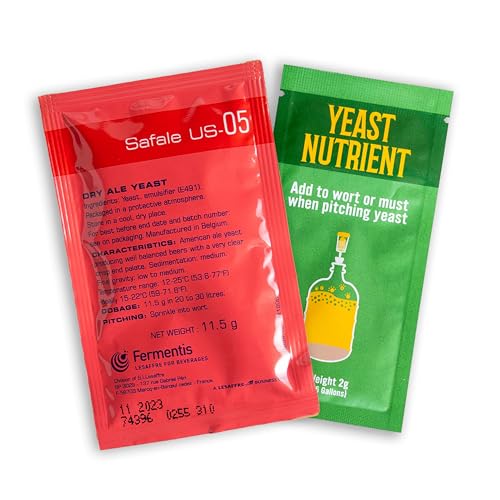
Safale US-05 American Ale Dry Yeast
The default clean American ale strain. Dry yeast needs no starter, which removes a whole step for a first all-grain batch.

Safale S-04 English Ale Dry Yeast
Fast flocculating English ale strain that drops bright quickly.

Fermentis Safale US-05 (8 pack, 11.5 g)
Eight sachets of US-05, which is the cheapest way to pitch properly on every batch.

LalBrew Nottingham Dry Ale Yeast (2 pack)
Neutral high attenuating ale yeast in 11 g sachets.

LalBrew Voss Kveik Ale Yeast (2 pack)
Kveik strain that ferments cleanly at high temperatures, which removes the need for a fermentation chamber in a warm house.

LalBrew New England Ale Yeast (2 pack)
Hazy ale strain for New England style IPAs.

Stir Starter Magnetic Yeast Starter Plate
Purpose built yeast starter stir plate with no heating element.
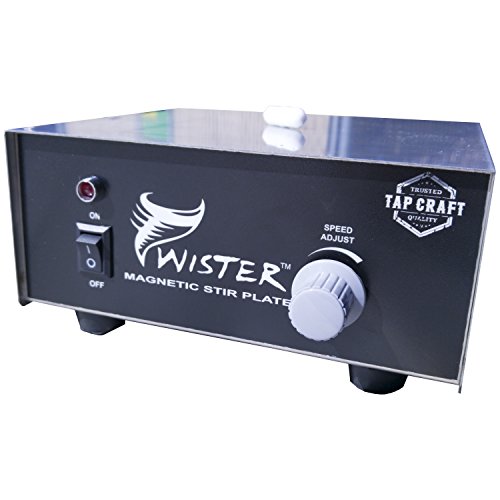
Tapcraft Twister Stainless Magnetic Stir Plate
Seven inch stainless stir plate sized for a two litre starter flask.

JOANLAB MS5 Magnetic Stirrer
Entry level unheated magnetic stirrer for yeast starters.
Related on BrewGearCalc
Frequently asked questions
- Where can I find the exact attenuation figure for the specific yeast strain I am using?
- Check the manufacturer's own product page or the datasheet that comes with the yeast, whether it is a dry sachet or a liquid pitch. Producers like Fermentis and Lallemand publish a specific attenuation range for each strain they sell, and that figure reflects testing on that exact genetic strain rather than a broad category average. Always treat that manufacturer figure as the authoritative number for planning your recipe's final gravity.
- Why did my beer finish lower than the attenuation range printed on the yeast packet?
- Attenuation depends on more than the yeast strain alone. A lower mash temperature produces a more fermentable wort and can push a batch below the low end of a printed range, while healthy pitch rate, adequate oxygenation, and stable fermentation temperature all support a strain reaching its full potential. A mash run hot, an underpitched batch, or a fermentation that stalled from temperature swings can all cause a finish below what the packet describes.
- Can I trust a general kveik attenuation range across every kveik strain?
- Not closely. Kveik covers a wide range of genetically distinct strains collected from different farmhouse brewing traditions, and while high heat tolerance is a shared trait across the category, individual strains vary meaningfully in attenuation, ester production and exact temperature tolerance. Always check the specific product's published figures for the kveik strain you are actually using rather than relying on category generalizations for this particular group.
- Does higher fermentation temperature always mean higher attenuation?
- Not directly. Fermentation temperature primarily affects yeast health, fermentation speed, and the production of esters and other flavour compounds rather than acting as the main driver of final attenuation. Mash temperature and wort fermentability generally have a larger direct effect on where a batch finishes than fermentation temperature does, though extreme temperatures in either direction can stress yeast enough to cause an incomplete fermentation.
- Why do lager yeasts need such cold fermentation compared to ale yeasts?
- Lager strains are adapted to ferment cleanly at cold temperatures where ale strains would produce excessive esters or struggle to work efficiently, and that cold, slow fermentation is central to the clean, crisp character lager styles are known for. Fermenting a lager strain at ale temperatures can push fermentation faster but typically produces off-flavours the style is not meant to have, even if the final attenuation number lands within the expected range.
- If two yeast packets are in the same category, will they give me the same final gravity?
- Not necessarily. Strains within a broad category like English ale or neutral American ale can differ from each other by several attenuation points due to real genetic differences between products, even when everything else about the batch is identical. Category ranges on this page are useful for general planning, but the specific manufacturer figure for each individual strain is what should guide a recipe where the final gravity target matters closely.
Researched from published brewing formulas, manufacturer specifications and verified owner reviews. This is general guidance, not professional advice.