Best Gear
Best Brewing Yeast to Keep on Hand
Safale US-05 at $8.49 per packet is the best all-purpose yeast to keep on hand for most home brewers because it ferments cleanly across a wide range of American ale styles at typical home fermentation temperatures.
A published attenuation range on any yeast packet describes typical behavior, not proof that a specific batch has actually finished fermenting; only a stable hydrometer reading across several days confirms that.
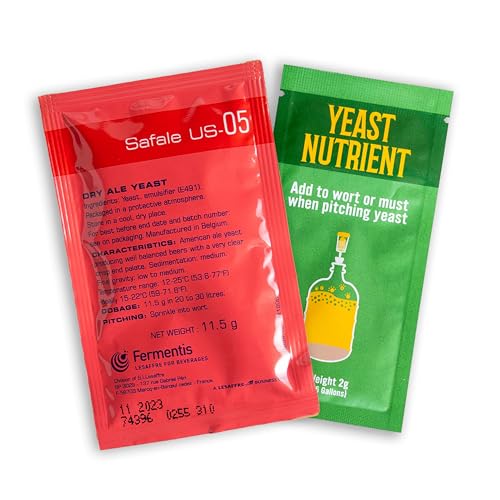
Safale US-05 American Ale Dry Yeast
Craft A Brew
It ferments cleanly with a neutral character across more American ale styles than any other strain here, making it the one packet worth always having in the fridge.
Price last checked at publication and changes often.
One versatile strain beats several specialty ones for most brewers
A yeast strain determines a large part of a beer's final character, sometimes more than the grain bill does, and the strains on this list range from deliberately neutral to strongly distinctive. For a home brewer keeping something on hand for whatever gets brewed next, a versatile, clean strain like Safale US-05 covers far more styles than a single specialty strain does, which is why it is worth stocking even for a brewer who also wants specialty strains for specific batches.
Specialty strains are worth buying for the batch they are chosen for, not necessarily for keeping on the shelf indefinitely, since a strain's whole appeal is usually the specific character it brings to one particular style.
Storing dry yeast sachets and how long they keep
An unopened dry yeast sachet is a shelf-stable, vacuum-sealed product, and the manufacturer prints a best-by date directly on the packet that reflects testing under proper storage conditions, which is the figure to go by rather than a general rule of thumb. Keeping sachets refrigerated, or frozen for longer-term storage, extends usable viability well past what the same packet would retain sitting at room temperature in a warm kitchen or garage.
Once a multi-pack is opened, any unused sachets inside should go straight back into the fridge rather than sitting out, since the individual packets remain sealed on their own and each one only starts losing viability meaningfully once it is opened and its contents exposed to air and moisture.
Single packets versus buying in bulk
A single sachet is the lowest-commitment way to keep yeast on hand, with no storage planning needed beyond a cool spot in the fridge until the next brew day. Buying a multi-pack of the same strain, like the eight pack of US-05, lowers the cost per batch for a brewer who already knows they will use that strain repeatedly, but it also means managing viability across several packets stored for months at a time rather than using one shortly after buying it.
Dry yeast keeps its viability considerably longer refrigerated than left at room temperature, which matters more the longer a multi-pack sits between brew days. A brewer who only brews occasionally is often better off buying single packets close to each brew day than sitting on a bulk pack that slowly loses viability in the back of the fridge.
Why a published attenuation range is not proof of anything on its own
Yeast suppliers publish an expected attenuation range for each strain based on typical performance under typical conditions. That range is genuinely useful for planning a recipe's expected finishing gravity and therefore its approximate strength, but it describes what the strain usually does, not what it did in a specific fermenter with a specific wort at a specific temperature. Mash temperature, wort composition, pitch rate, and fermentation temperature all push the actual result around within, and sometimes outside, that published range.
The only way to know a specific batch has actually finished fermenting is a hydrometer reading that holds steady across several days in a row. Treating the published attenuation number as the finish line, and bottling once the gravity looks approximately right based on that range, is exactly the kind of shortcut that leads to bottling before fermentation is actually complete.
Kveik and other strains that ferment outside the usual range
Voss is a Kveik strain, a family of yeasts with Norwegian farmhouse origins that tolerate and often prefer fermentation temperatures well above what a typical ale strain is pitched at, finishing noticeably faster as a result. That speed and temperature tolerance makes it genuinely useful for a brewer without dedicated fermentation temperature control, but its flavor character, often described as punchy with orange or stone fruit notes even at warm temperatures, is intentionally distinctive rather than the clean, neutral profile a beginner chasing a classic style is usually after.
LalBrew New England is marketed specifically toward the soft, fruit-forward character associated with hazy IPA, which makes it a strong pick for that specific style and a poor substitute anywhere a cleaner, more traditional ale character is wanted instead.
Building a starter for bigger batches
A yeast starter grows a packet's cell count up before pitching, most relevant for higher gravity beers or larger batch sizes where a single packet's pitch rate falls short of what the batch needs. The 0.75 million cells per milliliter per degree Plato pitch rate commonly used to size a starter is a widely repeated industry convention rather than a fixed law, useful for planning but not a number to treat as exact.
A magnetic stir plate keeps a starter in constant gentle motion, which improves oxygen contact and grows a healthier, larger cell count faster than a starter left sitting still. The JOANLAB stirrer is a simple, affordable way to add this to a starter setup; the Northern Brewer Maelstrom is a sturdier, more consistent option for a brewer running starters often enough to want a more reliable long-term tool.
Dry yeast versus liquid yeast: a genuine catalog gap
Every yeast product in this catalog is dry yeast, sold as a shelf-stable sachet rather than a liquid vial or smack pack that needs refrigerated shipping and a shorter usable window. Liquid yeast offers access to a wider range of specialty strains than dry yeast does and is preferred by many experienced brewers for certain styles, but it is not represented in this catalog, which is worth stating plainly rather than pretending dry yeast covers every situation.
For the great majority of home brewing styles, a well-chosen dry yeast strain performs comparably to its liquid equivalent, and dry yeast's simpler shipping, longer shelf life, and lower cost per batch make it the more practical default for most home brewers stocking yeast to have on hand. A brewer specifically chasing a strain only available as a liquid product, such as a lager strain outside what dry options cover, or a strain cultured to reproduce the specific house character of a particular commercial brewery's beer, will need to source it separately from a supplier that carries liquid yeast, since that range of specialty strains simply is not part of this catalog.
Rehydrating dry yeast versus pitching it directly
Manufacturer instructions for most dry yeast strains describe an optional rehydration step, sprinkling the yeast into a small amount of warm water for a short period before pitching, rather than sprinkling it directly onto the wort. Rehydration is generally described as improving cell survival compared to pitching dry yeast straight onto cold wort, though many home brewers pitch dry yeast directly with acceptable results in typical home fermentation conditions.
A meaningful number of home brewers skip rehydration entirely today, largely because modern dry yeast strains are produced with high viability and vitality straight out of the packet, which narrows the practical gap rehydration used to close. Rehydration also adds its own handling step, with its own sanitation requirements and its own chance for a temperature mismatch between the rehydration water and the wort, so skipping it in favor of a direct pitch is a reasonable simplification rather than a shortcut that meaningfully hurts most home-scale batches.
Whichever method is used, the yeast should be pitched at or near the wort's actual temperature rather than a temperature significantly different from it, since a large temperature shock at pitching stresses the yeast regardless of whether it was rehydrated first. Sprinkling dry yeast onto the wort surface and letting it sit for several minutes before stirring it in, rather than dumping and stirring immediately, also gives the granules time to absorb moisture gradually.
How we chose
These picks come from published strain descriptions, attenuation ranges, and recommended fermentation temperatures from the yeast suppliers themselves, along with verified owner reviews on fermentation performance and character. This is not the result of personal hands-on brewing with these specific packets. Where a strain's marketing focused narrowly on one style, that focus was treated as a real limitation rather than smoothed over.
How the options compare
| Product | Character | Typical use | Format | Price |
|---|---|---|---|---|
| Safale US-05 | Clean, neutral American ale | Most American ale styles | 1 packet | $8.49 |
| Safale S-04 | Clean English ale, slightly fruity | English ales | 1 packet | $7.88 |
| Fermentis Safale US-05 8 pack | Clean, neutral American ale | Frequent brewers, bulk buying | 8 x 11.5 g packets | $27.92 |
| LalBrew Nottingham | Clean, versatile dry ale yeast | Wide range of ale styles | 2 packets | $12.99 |
| LalBrew Voss | Kveik, fruity, warm and fast fermenting | Farmhouse ale, fast turnaround | 2 packets | $12.99 |
| LalBrew New England | Soft, fruit-forward ale character | Hazy and New England style IPA | 2 packets | $13.99 |
The three tiers
These are three genuinely different builds, not the same product at three prices. Buy the tier that matches how much you already know you will use it.
Safale S-04 English Ale Dry Yeast
At $7.88 a single packet of a clean, reliable English ale strain is a low commitment way to keep a second general-purpose yeast on hand alongside American ale strains, useful for styles where a slightly fruitier, malt-forward character fits better.
$7.88
View on AmazonFermentis Safale US-05 (8 pack, 11.5 g)
Fermentis
At $27.92 for eight packets, buying US-05 in bulk lowers the cost per batch meaningfully once a brewer already knows this is the strain they reach for most often, provided the extra packets are stored refrigerated rather than left to sit.
$27.92
View on AmazonLalBrew Voss Kveik Ale Yeast (2 pack)
CAPYBARA Distributors Inc.
At $12.99 for two packets, Kveik's tolerance for high fermentation temperatures and fast turnaround genuinely helps a brewer without dedicated temperature control. Someone chasing a classic clean American or English ale character should not reach for this strain first; its fruity, punchy profile is intentionally distinctive, not the neutral base flavor most beginners expect from a general-purpose yeast.
$12.99
View on AmazonEverything else worth considering

LalBrew Nottingham Dry Ale Yeast (2 pack)
Neutral high attenuating ale yeast in 11 g sachets.

LalBrew New England Ale Yeast (2 pack)
Hazy ale strain for New England style IPAs.

JOANLAB MS5 Magnetic Stirrer
Entry level unheated magnetic stirrer for yeast starters.
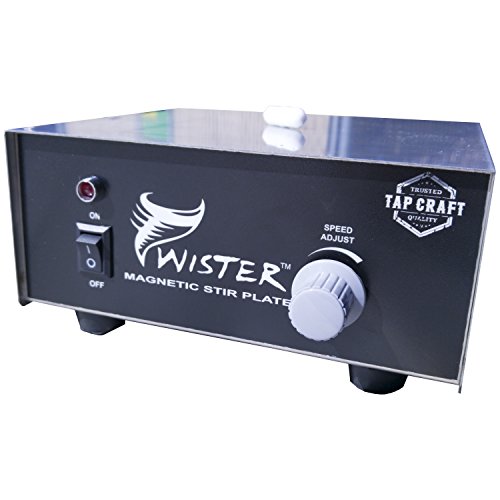
Tapcraft Twister Stainless Magnetic Stir Plate
Seven inch stainless stir plate sized for a two litre starter flask.
Before you do this
A yeast strain's published attenuation range describes typical behavior, not proof that a specific batch has actually stopped fermenting. Confirm with a hydrometer reading that holds steady across several days before priming and bottling; bottling on the strength of an attenuation number alone is a real way to end up with bottle bombs.
Related on BrewGearCalc
Frequently asked questions
- How do I know if my yeast has actually finished fermenting?
- A published attenuation range tells you what a strain typically does, not what it did in your specific batch. The only reliable check is a hydrometer reading that holds steady across several days in a row. If the gravity is still dropping between readings, fermentation is still active regardless of how the number compares to the strain's published range or how quiet the airlock has gone.
- Should I buy yeast in single packets or a bulk multi-pack?
- A bulk multi-pack lowers the cost per batch if you already know you will use that strain repeatedly and can store it properly refrigerated. Dry yeast loses viability faster at room temperature, so a multi-pack sitting unused for months is a real tradeoff. Someone who brews occasionally or is still deciding on a go-to strain is usually better off buying single packets closer to each brew day.
- What is Kveik yeast and why would I use it?
- Kveik is a family of yeast strains with Norwegian farmhouse origins that tolerate, and often ferment best at, temperatures well above what a typical ale strain needs, finishing noticeably faster as a result. It is genuinely useful for brewers without dedicated temperature control. Its flavor character, often fruity and punchy even fermented warm, is intentionally distinctive rather than the clean, neutral profile most classic ale styles are built around.
- How many yeast packets do I need for a high gravity beer?
- It depends on the batch's starting gravity and volume; higher gravity worts need more yeast cells than a single standard packet reliably provides. The 0.75 million cells per milliliter per degree Plato pitch rate is a widely used planning convention rather than an exact requirement. A yeast pitch calculator applies that convention to your specific batch size and gravity to estimate whether one packet, multiple packets, or a starter is appropriate.
- Does a yeast starter actually need a stir plate?
- No, but it helps. A starter left sitting still still grows yeast, just more slowly and with a smaller final cell count than one kept in constant gentle motion. A magnetic stir plate improves oxygen contact throughout the starter, which grows a healthier, larger population faster. It matters most for bigger starters built for high gravity or larger batches, less for a small starter for an everyday strength beer.
- Should I keep dry yeast in the fridge?
- Yes. Dry yeast keeps its viability considerably longer stored cold than left at room temperature, especially for packets that will sit for a while before the next brew day. Keep unopened packets refrigerated and bring them to room temperature briefly before pitching if your process calls for it. This matters more for yeast bought in bulk or held for a while than for a packet used within a week or two of buying it.
Researched from published brewing formulas, manufacturer specifications and verified owner reviews. This is general guidance, not professional advice.