Guides
Common Off Flavours and What Causes Them
Chlorine and chloramine left in tap water react with compounds in malt to create a distinctly medicinal, band-aid-like off flavour, and it is removed by treating brewing water with a Campden tablet before mashing or before adding extract.
Other common off flavours, cardboard-like oxidation, banana or bubblegum-like fruity esters, and a green-apple acetaldehyde character, trace back to handling and fermentation temperature rather than to any single ingredient going bad.
Medicinal, band-aid, or plastic-like flavours
This off flavour comes from chlorophenols, compounds that form when chlorine or chloramine, both common tap water treatment chemicals, react with phenolic compounds naturally present in malt during the mash or boil. The result reads as medicinal, like a band-aid or hospital smell, and it is unmistakable once you have tasted it in a batch. Because it depends on chlorine or chloramine being present in your water in the first place, the fix is straightforward: treat brewing water with a Campden tablet, which is potassium metabisulfite, before it touches malt, whether that is mash water for an all-grain batch or the water used to dissolve extract.
One Campden tablet is a widely used starting point for a standard homebrew batch, though local water treatment varies, so if the flavour persists after treating your water, it is worth checking with your water utility on what treatment method they use and adjusting from there. This is one of the more preventable off flavours on this list, since it comes from an identifiable source in the water itself rather than from a fermentation process that is harder to pin down after the fact.
Cardboard or wet paper, oxidation
A papery, cardboard-like character usually points to oxidation, oxygen reacting with compounds in the beer after fermentation rather than during it. This most commonly comes from splashing or agitating cooled wort or finished beer during transfer, racking, or bottling, which introduces oxygen at a stage where it is no longer welcome. Oxygen is actually wanted before fermentation starts, to give yeast what it needs during its early growth phase, but becomes a liability once fermentation is underway and afterward.
Minimizing headspace in a fermenter or bottling bucket, transferring gently rather than splashing, and racking with a siphon rather than pouring all reduce the oxygen exposure that leads to this flavour. Oxidation also tends to get more pronounced the longer a beer sits, particularly if it is stored warm, so a beer that tasted fine fresh but develops a cardboard note after weeks or months of storage is a common pattern worth recognizing.
Banana, bubblegum, or other fruity esters
Esters are natural fermentation byproducts that read as fruity, sometimes specifically banana-like or bubblegum-like depending on the yeast strain and the beer style. Some ester character is expected and even desirable in certain styles, but an unintentionally heavy dose of it in a beer that was not meant to taste that way is usually a sign fermentation ran too warm for the yeast strain. Yeast produces more esters under heat stress, and different strains have different temperature sensitivity, so the same fermentation temperature that is fine for one strain can push another well outside its intended flavor range.
Keeping fermentation within the temperature range printed on the yeast packet, and using a temperature controller or a fermentation heating belt to hold a steady, appropriate temperature rather than letting ambient room temperature drive it, is the direct fix. A fermenter placed too close to a heat source, or fermenting during a warm stretch without any temperature control, is a common and easily overlooked cause.
Green apple or raw pumpkin, acetaldehyde
Acetaldehyde reads as green apple, sometimes described as raw pumpkin, and it is a normal intermediate compound yeast produces early in fermentation on its way to producing alcohol. Healthy, complete fermentation typically sees yeast reabsorb acetaldehyde and convert it further before finishing, so tasting a hint of it in a very young beer, right off primary fermentation, is common and usually resolves with a bit more time left on the yeast rather than being a sign of a problem.
Acetaldehyde that persists after a beer has had adequate time to condition is a different situation, and it can point to fermentation being cut short, either by bottling or kegging too early or by pulling the beer off the yeast before it had time to finish cleaning up its own byproducts. This connects directly back to confirming a stable hydrometer reading across several days before packaging, rather than working from a calendar estimate of how long fermentation should take.
Rotten egg or struck match, sulphur
A sulphur smell, described as rotten egg or a just-struck match, shows up most often with certain lager yeast strains, which naturally produce more sulphur compounds during fermentation than most ale strains do. Some sulphur character during active fermentation is normal and often fades on its own as fermentation finishes and the beer conditions further, which is part of why many lager recipes build in extra conditioning time before the beer is considered finished.
A sulphur smell that persists well past a normal conditioning period is more often tied to a stressed or underpitched yeast population than to the strain itself, since a smaller-than-ideal pitch or a fermentation that ran outside the strain's comfortable range asks the yeast to work harder and can push sulphur production higher than usual. Pitching an adequate amount of healthy yeast and giving a lager the fuller conditioning time it typically expects addresses this more directly than trying to filter or scrub the smell out afterward.
A quick reference
| Off flavour | Likely cause | What to check first |
|---|---|---|
| Medicinal, band-aid, plastic | Chlorophenols from chlorine or chloramine in water | Treat brewing water with a Campden tablet before mashing or adding extract |
| Cardboard, wet paper | Oxidation from splashing or excess headspace | Gentler transfers, minimize headspace, avoid warm storage |
| Banana, bubblegum, fruity | Fermentation temperature too warm for the yeast strain | Hold fermentation within the yeast packet's stated range |
| Green apple, raw pumpkin | Acetaldehyde, an intermediate fermentation compound | Give a young beer more time on the yeast before packaging |
| Rotten egg, struck match | Sulphur, common with lager strains, worse under yeast stress | Pitch an adequate amount of healthy yeast and allow full conditioning time |
A general troubleshooting order
When an off flavour shows up and the cause is not obvious, working through a consistent order helps narrow it down faster than guessing at ingredients first. Start with your process notes from that specific batch: what water treatment was used, what temperature fermentation actually held at, and how long the beer sat before packaging. Then check water treatment specifically if the flavour reads as medicinal, check fermentation temperature control if it reads as fruity or overly estery, and check whether packaging happened before a confirmed stable gravity reading if the flavour reads as green apple or generally unfinished.
Off flavours caused by process, rather than a truly spoiled or infected batch, cannot be fixed after the fact in the same bottle or keg. The value of identifying the likely cause is mainly for the next batch: adjusting water treatment, fermentation temperature control, or how long you wait before packaging based on what the previous batch is telling you.
Keeping notes so a pattern actually shows up
A single batch with an off flavour is a data point, not necessarily a pattern, since normal batch-to-batch variation exists even with a consistent process. The real value in troubleshooting comes from comparing notes across several batches: if the same medicinal note keeps showing up regardless of which recipe you brew, it almost always points back to water treatment rather than to any single recipe. If fruity esters only show up in batches brewed during a particular stretch, checking what your fermentation space was actually holding at during that time, rather than what your temperature controller was set to, often explains the gap.
Recording your actual measured fermentation temperature, not just the target you set a controller to, is one of the more useful habits here, since ambient temperature swings, a fermenter placed too close to a heat source, or a controller probe that is not making good contact with the fermenter wall can all cause the real internal temperature to run warmer than intended without an obvious sign until the finished beer tastes different than expected.
Infection versus a process off flavour
It is worth distinguishing process-related off flavours from a genuine infection, since they call for different responses. The flavours covered here, chlorophenols, oxidation, excess esters, and lingering acetaldehyde, all come from water treatment, handling, or fermentation timing, and they show up in an otherwise normal-looking batch. A true infection from wild yeast or bacteria more often comes with other signs alongside an unusual flavour: persistent off-gassing well after fermentation should have finished, an unusual pellicle or film on the surface, or a sourness that was never part of the intended recipe.
When those additional signs are present, the fix is revisiting sanitation practice rather than adjusting water treatment or fermentation temperature, since a real infection traces back to a surface that was not actually clean before it was sanitised, not to a process variable like timing or temperature control.
Everything else worth considering

TAPCRAFT Campden Tablets (potassium metabisulfite, 50 count)
Removes chlorine and chloramine from tap water, which otherwise produce a medicinal off flavour.

BSG HandCraft Potassium Metabisulfite Tablets (2 oz)
Potassium metabisulfite tablets for dechlorinating brewing water.

LD Carlson Potassium Metabisulfite (2 oz)
Loose potassium metabisulfite for water treatment and, in cider making, for knocking back wild yeast.

Inkbird ITC-308 Temperature Controller
Two stage plug-in thermostat that switches a fridge and a heater, which is how most brewers hold fermentation temperature.

Inkbird ITC-308 Freezer and Fermentation Thermostat
Plug-in heating and cooling controller for converting a chest freezer into a fermentation chamber.
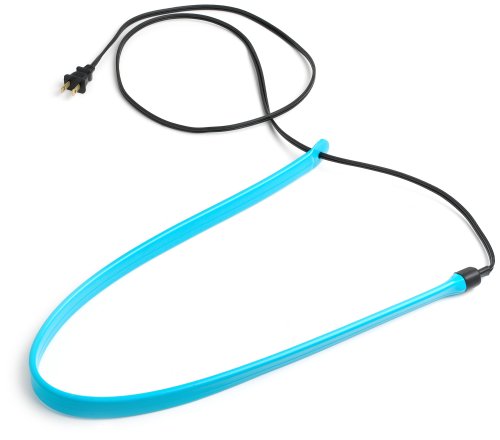
FastRack Fermentation Heating Belt
A wrap-around belt that lifts fermentation temperature in a cold room, the cheapest form of temperature control.

Fermtech Fermentation Heating Belt
Electric warming belt sized for a carboy, jug or bucket.
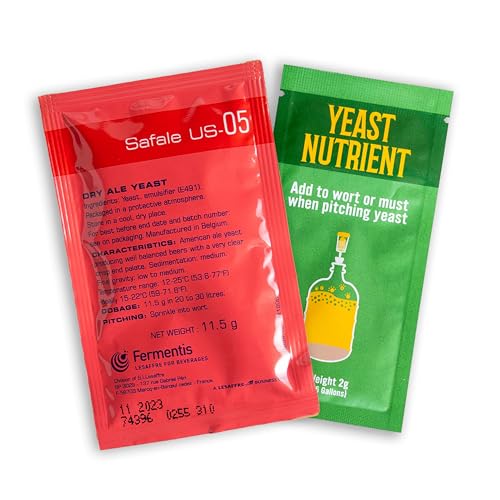
Safale US-05 American Ale Dry Yeast
The default clean American ale strain. Dry yeast needs no starter, which removes a whole step for a first all-grain batch.
Related on BrewGearCalc
- Cleaning vs sanitising
- How to read a hydrometer
- Water chemistry calculator
- ABV calculator
- All guides
Frequently asked questions
- Why does my beer taste medicinal or like a band-aid?
- This is almost always chlorophenols, formed when chlorine or chloramine in tap water reacts with phenolic compounds in malt during the mash or boil. It is fixed by treating your brewing water with a Campden tablet, potassium metabisulfite, before it touches malt, whether that is mash water for an all-grain batch or the water used to dissolve extract, since removing the chlorine or chloramine removes the source of the reaction.
- Why does my beer taste like wet cardboard?
- This points to oxidation, which usually comes from splashing or agitating wort or beer during transfer after fermentation, or from excess headspace in a fermenter or bottle. Handle beer gently after fermentation starts, siphon rather than pour, minimize headspace when possible, and avoid warm storage, since oxidation tends to worsen over time and with heat.
- Why does my beer taste like banana or bubblegum?
- Most likely fermentation ran too warm for the yeast strain you used. Yeast produces more fruity ester compounds under heat stress, and different strains have different sensitivity to this. Keep fermentation within the temperature range printed on your yeast packet using a temperature controller or fermentation heating belt rather than letting ambient room temperature drive it.
- Is a green apple flavor in my beer a problem?
- Not necessarily, especially in a very young beer. Acetaldehyde is a normal intermediate compound yeast produces early in fermentation, and healthy yeast typically reabsorbs it given enough time. A hint of green apple right off primary fermentation is common and often resolves with a bit more conditioning time before it becomes a real concern.
- Can off flavours be fixed after the beer is already bottled?
- No, most common off flavours trace back to water treatment, fermentation temperature, or timing before packaging, none of which can be corrected in a beer that is already bottled or kegged. The useful takeaway is applying what caused it, treating water, holding fermentation temperature steady, or confirming a stable gravity reading before packaging, to your next batch instead.
- Does an off flavour get better or worse with more time?
- It depends which one. Oxidation, the cardboard-like flavour, tends to get worse with age and worse still with warm storage. Acetaldehyde, the green apple flavour, often fades as a beer conditions further on the yeast or in the bottle. Chlorophenol and ester off flavours generally stay about the same once they are present, since neither one is something conditioning time reverses.
Researched from published brewing formulas, manufacturer specifications and verified owner reviews. This is general guidance, not professional advice.